
St Kilda's Period & Coastal House Painters
Interior and exterior repaints for St Kilda's terraces, weatherboards and Art Deco flats — coastal-grade prep for salt-air weathering, tidy crews, and a fixed quote once we've walked the house.
Services built for St Kilda
Exterior House Repainting
Full exterior repaints for St Kilda homes exposed to salt-laden bay air. We wash, scrape, sand, fill and prime properly before topcoats, because on the coast the prep is what decides how long the finish lasts, not the brand of paint.
Interior Painting
Walls, ceilings, cornices, skirtings and period detailing repainted cleanly with low-odour, low-VOC paints. Furniture protected, edges cut in by hand, and the house left liveable each evening rather than a building site for weeks.
Heritage & Period-Home Repaints
Victorian and Edwardian terraces, Federation homes and Deco flats repainted with respect for the original detail — leadlight surrounds, ornate cornices, cast-iron lacework and render mouldings cut in carefully rather than rushed.
Weatherboard Restoration & Repaint
St Kilda's timber cottages take a beating from the bay. We replace rotten boards, re-nail and caulk, treat bare timber, spot-prime knots and end-grain, then repaint so the weatherboards are sealed against the next few winters, not just freshened up.
Render & Masonry Painting
Rendered facades, brick and the classic cream-and-white Deco fronts recoated with breathable masonry systems. We address salt fretting, hairline cracks and blown render before painting so the coating holds rather than bubbling off a year later.
Roof Painting & Restoration
Tired tile and metal roofs cleaned, re-bedded and repointed where needed, then sealed and recoated. Roofs cop the most sun and salt of any surface on a bayside home, so a proper roof coat buys years before the next full exterior repaint.
Before & after
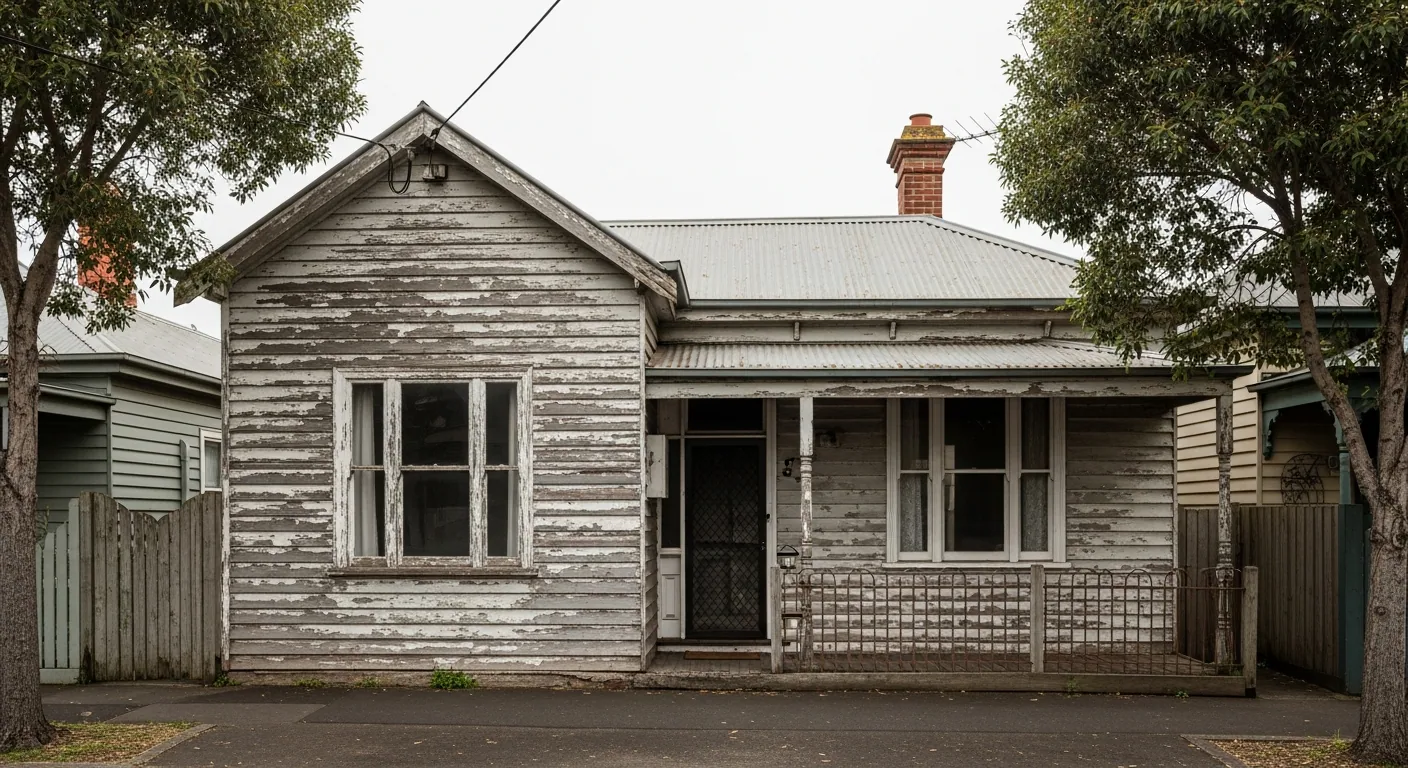 Before
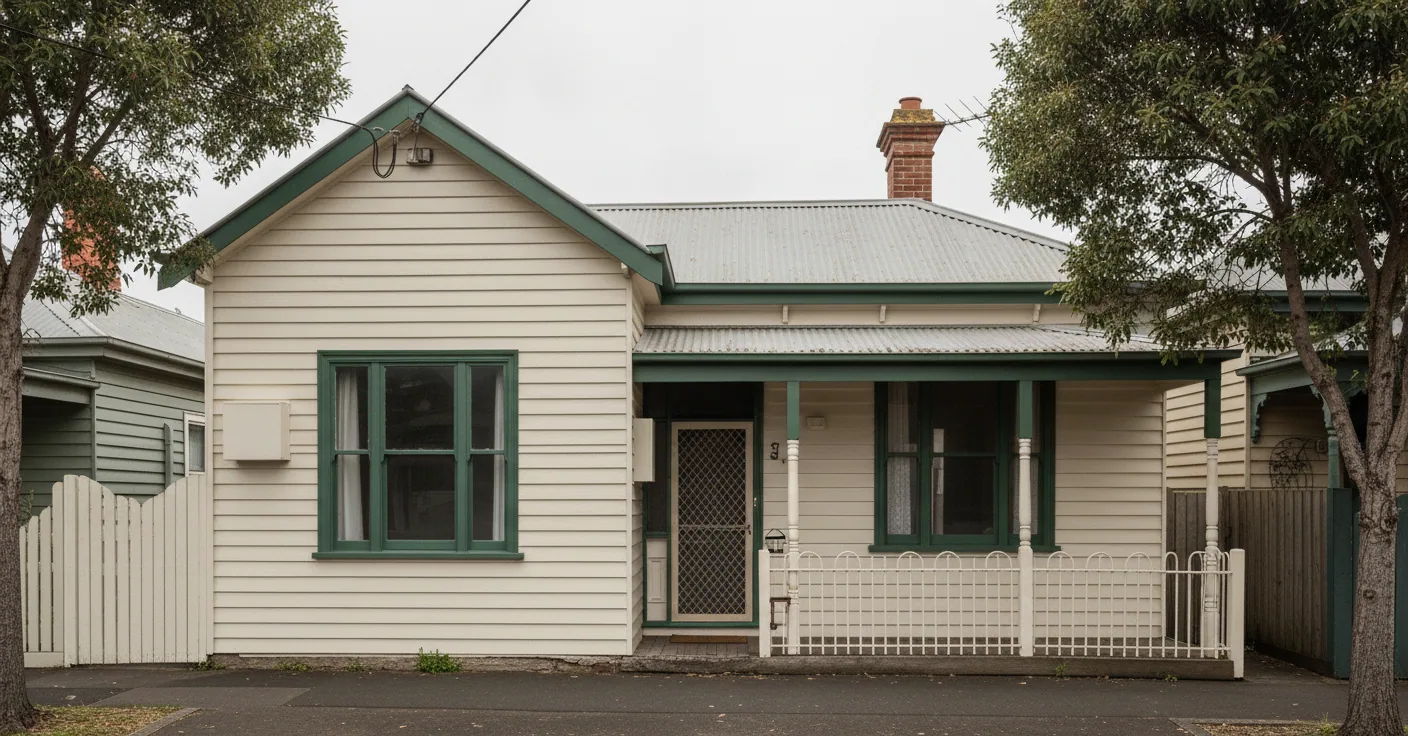 After
After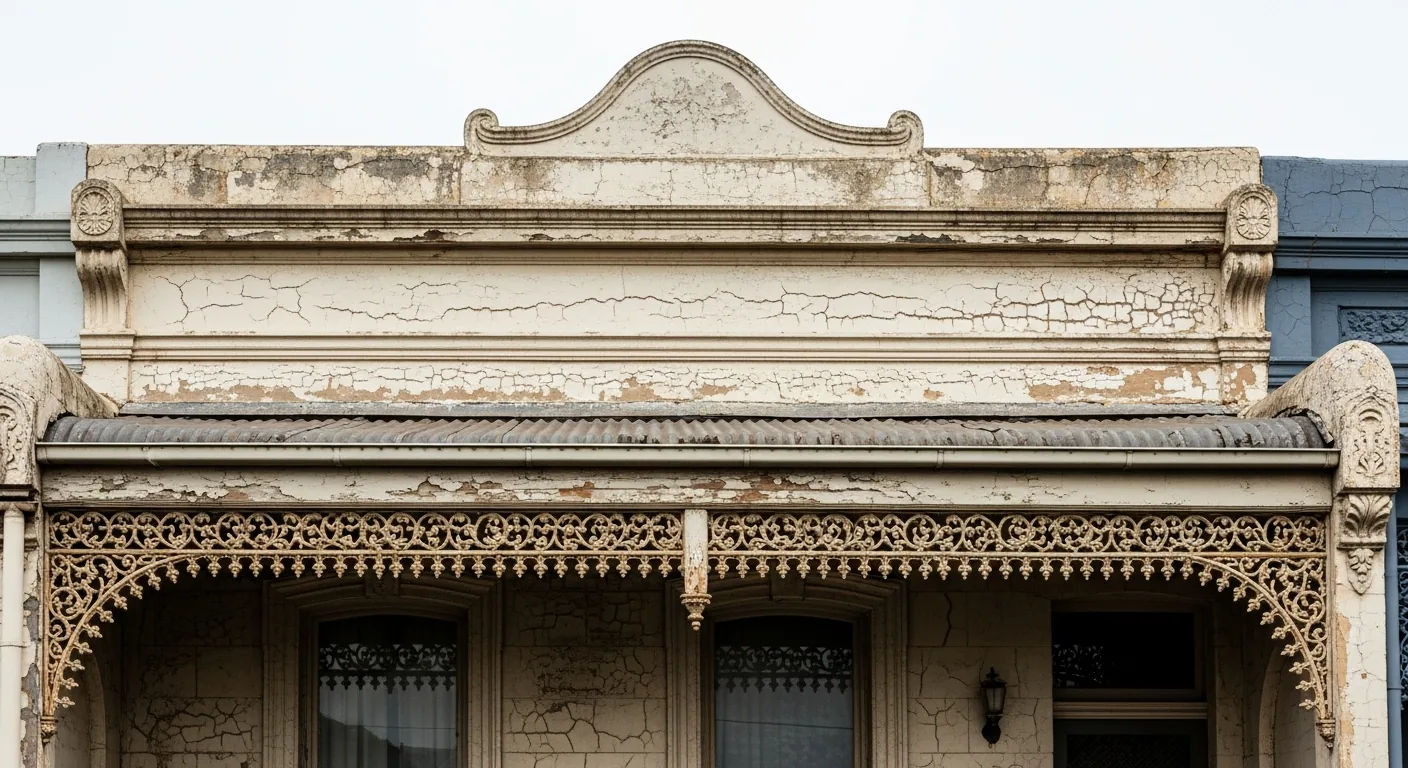 Before
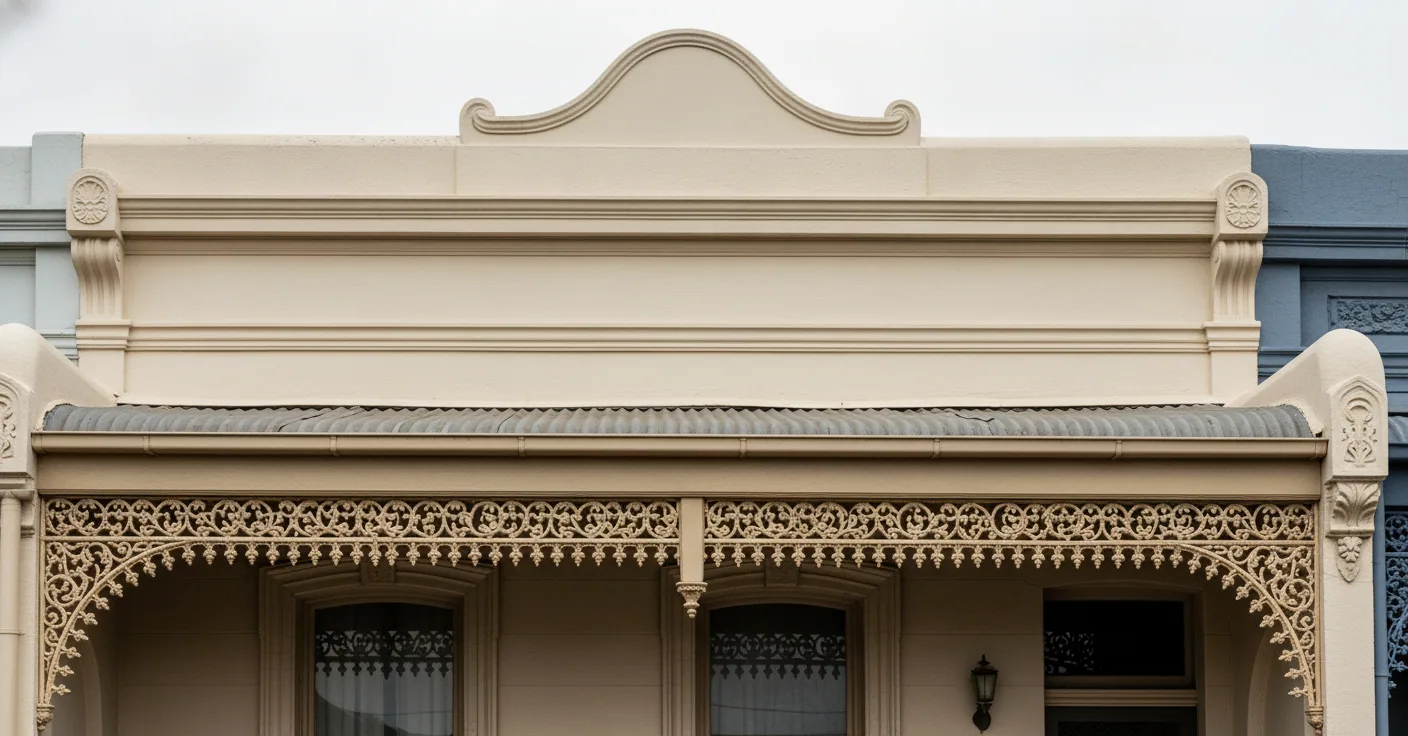 After
After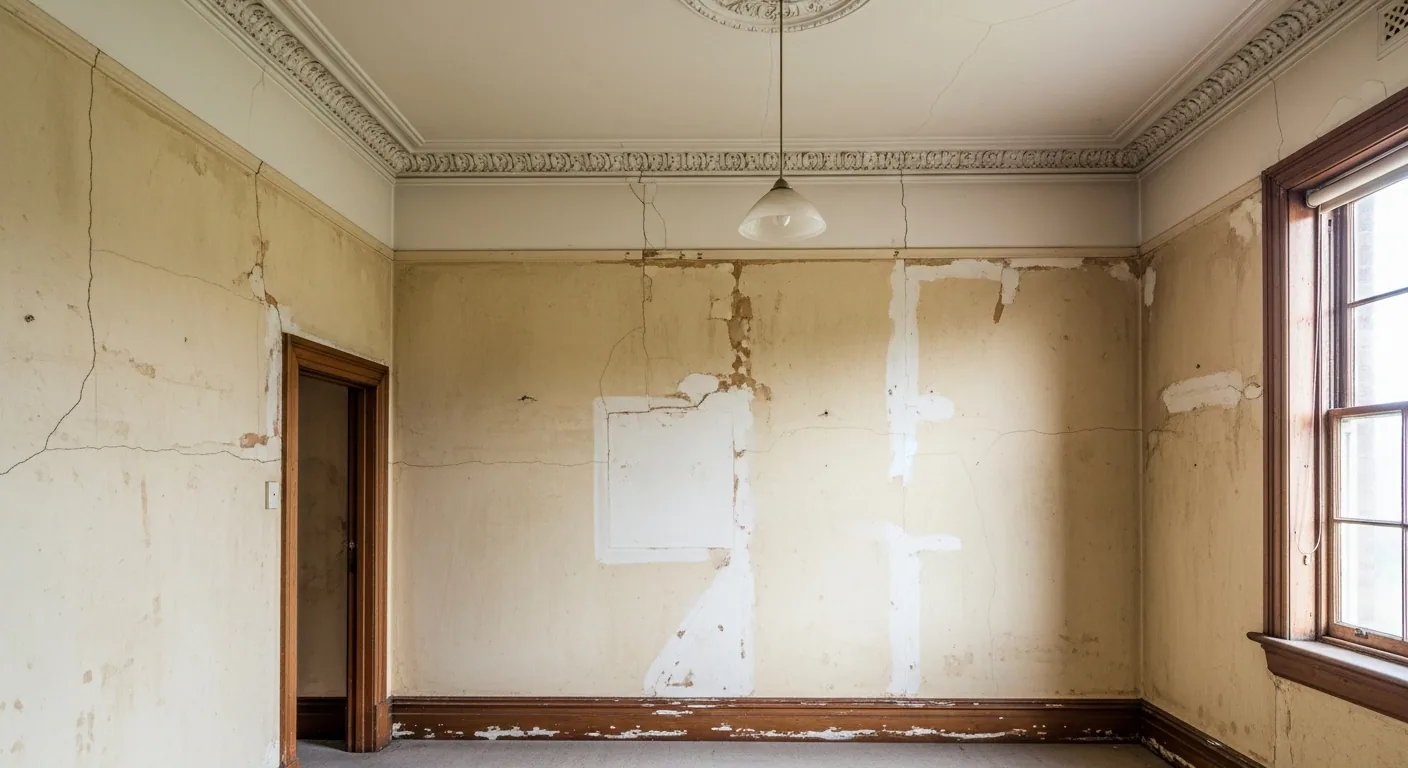 Before
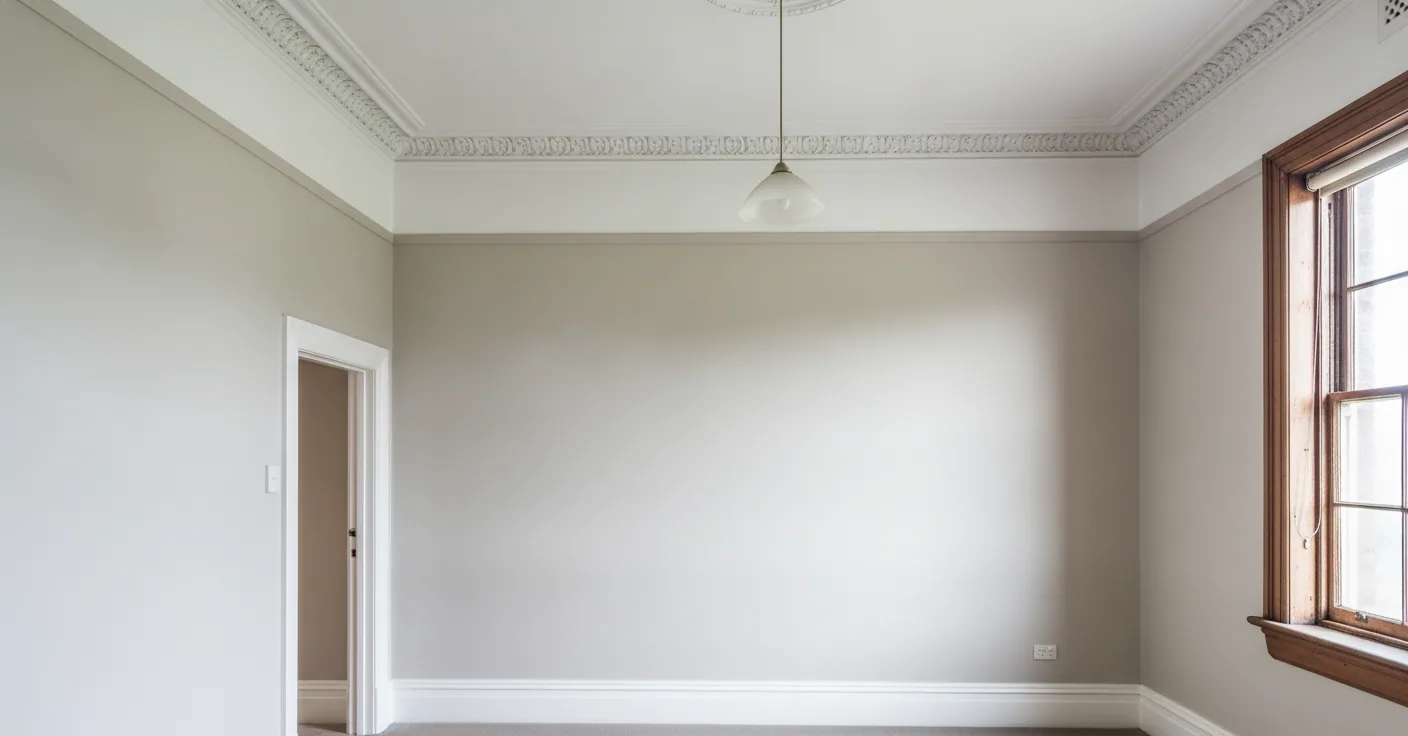 After
AfterYour local St Kilda crew
St Kilda Painters is a residential painting business working across St Kilda and the bayside pocket of the City of Port Phillip — Elwood, Balaclava, St Kilda East and Middle Park. It is one of Melbourne's most distinctive stretches of housing: Victorian and Edwardian terraces with cast-iron lacework, interwar Art Deco flats in cream render, and timber weatherboard cottages, almost all of it sitting close enough to the bay that salt-laden air is part of every exterior job. That salt matters. It shortens the life of exterior paint, fret the render and lifts poorly prepared coatings faster than it would a few kilometres inland, so on these homes the preparation does more for the result than the paint tin does. We repaint inside and out, we take the prep on weatherboards and render seriously, and because much of the area sits under a heritage overlay we work sympathetically with original detail and point you to the City of Port Phillip when a colour change might need council consideration. Every job is quoted after we have actually seen the house, so the price reflects the surfaces in front of us rather than a guess over the phone.
Get in touch
Questions, answered
How often should I repaint my house in St Kilda?
Closer to the bay than most of Melbourne, salt-laden air weathers exterior paint faster, so bayside homes often need repainting sooner than the inland rule of thumb. As a rough guide, expect an exterior repaint every 5 to 8 years for timber and render in St Kilda, versus perhaps 8 to 12 years further inland, with the most exposed, sun-facing and beachfront elevations needing attention first. Good preparation and a quality coating system stretch that interval; skipped prep shortens it. Interiors last far longer and are usually driven by wear and style rather than weather.
How much does it cost to paint a house in St Kilda?
It depends heavily on the house, but as indicative figures a full exterior repaint of a weatherboard cottage commonly runs about $10,000 to $18,000, while a full repaint of a larger period terrace or rendered home — inside and out, with the detailing these homes carry — can range from $25,000 to $55,000 or more. The real drivers are the amount of preparation and repair needed, access and scaffolding, the number of coats, and how much heritage detail has to be cut in by hand. We quote a fixed price after inspecting the property so the number reflects the actual surfaces rather than an average.
My home is from the 1920s — could it have lead paint?
Quite possibly. Homes painted before the 1970s can contain lead-based paint under later coats, which matters most when old paint is being sanded, scraped or burnt off during exterior prep. We treat pre-1970s paintwork as potentially lead-containing and prepare it using safe methods — wet sanding, careful containment of debris and appropriate protection — in line with the Australian Standard AS 4361.2 and general WorkSafe and EPA guidance. It is a routine part of repainting older St Kilda homes and nothing to be alarmed about, but it is a reason to be wary of anyone dry-sanding an old facade without a second thought.
Do I need council approval to change my heritage home's colour?
Possibly, and it is worth checking before you commit to a scheme. Much of St Kilda and the surrounding City of Port Phillip sits under a heritage overlay, and while routine maintenance repainting in similar colours is usually fine, changing the external colour scheme on some heritage-listed properties can require the council's consideration. We are painters rather than planners, so our advice is to confirm your property's position with the City of Port Phillip before finalising an exterior colour, particularly on a listed facade. We are happy to work to whatever the council signs off on.
Can you paint through a St Kilda winter?
Interior work carries on year-round. Exterior painting is more weather-dependent: paint needs dry surfaces and temperatures within the manufacturer's range to cure properly, and near the bay you also have to watch for overnight moisture and salt on surfaces. We can and do paint exteriors in the cooler months by working to the forecast, starting once surfaces have dried off, and avoiding coating late in the day when dew is coming. It sometimes means a slightly longer run to get clear windows, but rushing a coat onto a damp or cold surface is exactly how a repaint fails early on the coast.